Why Caspian Seals Keep Dying in Kazakhstan
Scientists point to disease, climate change, and shrinking habitats as key causes
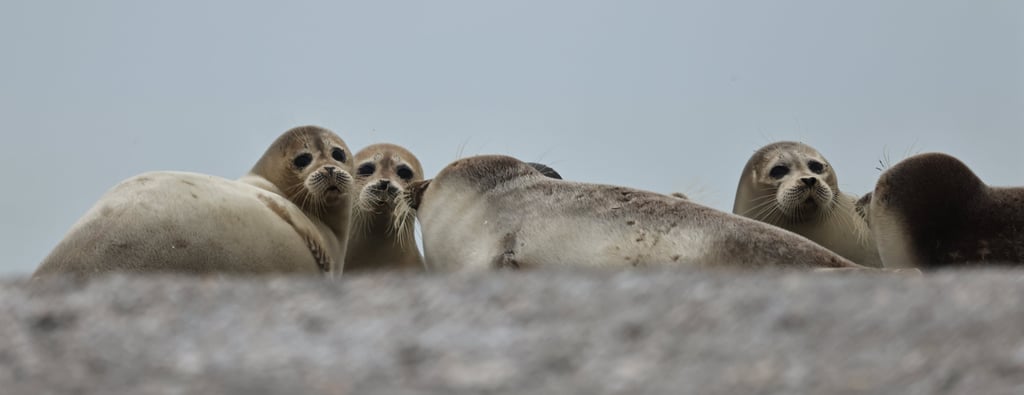
Seals are constantly dying in Kazakhstan, but neither officials, zoologists, nor hydrobiologists know how to stop it.
Seals are constantly dying in Kazakhstan, but neither officials, zoologists, nor hydrobiologists know how to stop it. One of the latest major incidents (оқиға) occurred in November in the Tupkaragan district of the Mangistau region, where environmentalists found 112 dead animals, and experts warn this may not be the last such event.
According to Marina Chirikova, deputy director of the Institute of Zoology, periodic outbreaks of fatal diseases among these mammals can have different causes (себептер). However, several key factors are always present: global warming, a sharp drop in the level of the Caspian Sea, and the shrinking of ice floes that serve as shelter for the animals. In addition, oil and gas enterprises bear significant responsibility for the deterioration of the seals’ natural habitat (мекен ету ортасы).
At the same time, it remains unclear how to respond effectively to these outbreaks. As Chirikova explained, seals are not livestock, and it is impossible to vaccinate them all at once, making large-scale intervention a serious challenge (қиындық). Monitoring is ongoing, and when new outbreaks occur, expert groups are sent to collect samples and begin investigations, but these measures do not fully address the underlying problem.
Efforts to better understand and document the situation are continuing. A Caspian Sea Institute has recently been established, and in Mangistau a film about Caspian seals is being produced with the participation of researchers. Despite this growing scientific attention (назар), much depends on global environmental processes that are difficult to influence.
One of the most important of these is the rapid shallowing of the Caspian Sea. The water level is steadily declining, and a historic low was recorded last year. This is linked both to climate change and to increased water intake from rivers flowing into the sea, contributing to a broader ecological imbalance (теңгерімсіздік).
In contrast, the situation with Lake Balkhash is currently more stable. A research project completed in 2025 showed that the most pessimistic scenarios of the lake’s disappearance have, for now, been avoided. However, long-term cycles of rising and falling water levels continue, driven by precipitation patterns connected to global climate systems, reflecting ongoing environmental variability (өзгермелілік).
The recent rise in Balkhash’s water level is partly due to accelerated glacier melting. Yet once glaciers are fully depleted, the lake may face serious consequences, highlighting a future ecological risk (тәуекел).
While Kazakhstan cannot stop global climate change, it can enforce stricter control over its own water resources, especially in agriculture. Any expansion of irrigation or other water-intensive projects must be carefully justified and coordinated in advance with the relevant ministries, ensuring responsible management (басқару) of resources.
The issue has also been brought to public attention through the photo exhibition “Invisible World: City Under Water,” currently open in Almaty. The exhibition focuses on coral reefs, aquatic ecosystems, and rare animals of Kazakhstan, including seals, and will run until June 2, helping raise environmental awareness (хабардарлық) among visitors.
For requests or suggestions: pr@kazakhinstitute.com


Learn the official language of Kazakhstan in 30 days thanks to the most complete grammar, vocabulary and culture courses available online.
Start speaking Kazakh today!
© Copyright 2026 Kazakh Institute
Come visit Kazakhstan!