Tourism Ministry Denies Invitation Claim by American Blogger in Kazakhstan
Dispute highlights gaps in communication and expectations in tourism promotion practices
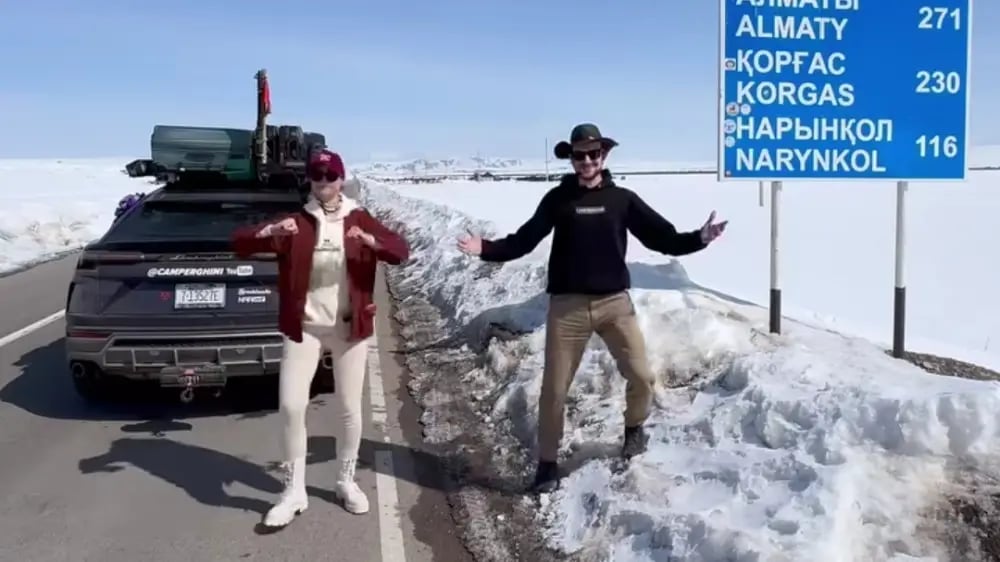
A video by American blogger Connor, who arrived in Kazakhstan in his own car, is being actively discussed on social media.
A video posted by an American traveler called Connor has triggered widespread online discussion after he claimed he had been invited to Kazakhstan but received no reception upon arrival. The situation centers on alleged official invitation claims (ресми шақыру талаптары) [resmï shaqyru talaptary], which were later disputed by authorities. The blogger described his experience as unexpected, especially given prior arrangements and expectations formed before entering the country.
According to the traveler, he had spent months organizing the trip and believed it was coordinated with national tourism authorities. Upon arrival, however, he reported a lack of response, raising concerns about travel coordination breakdown (сапарды үйлестірудің бұзылуы) [sapar dy üilestırudıñ būzyluy]. He stated: “Imagine being officially invited to a country. Spending weeks and months discussing plans, coordinating details, and then the day you show up, the tourism ministry forgot.”
In additional comments shared online, the visitor expressed surprise at the absence of any reception at the border, describing unmet expectations of a ceremonial welcome (салтанатты қарсы алу) [saltanattı qarsy alu]. He wrote: “Instead no one came to greet us and we were even interrogated about why we were entering the country which is pretty strange considering we were officially invited and told they knew we were coming.”
Kazakhstan’s Ministry of Tourism and Sports responded by firmly rejecting the claim that any formal invitation had been issued. Officials clarified that their work typically involves organizing group press tours (топтық баспасөз турлары) [toptıq baspasöz turlary] and cooperation with organizations rather than engaging in individual invitations (жеке шақырулар) [jeke shaqyrular]. According to the ministry, no official request from the blogger had been received.
Authorities further explained that communication had taken place through the national company Kazakh Tourism, but these discussions did not result in confirmed agreements. This reflects a distinction between informal preliminary negotiations (алдын ала келіссөздер) [aldyn ala kelıssözder] and finalized arrangements within institutional processes governing tourism promotion.
The ministry emphasized that, in cases where official procedures are followed, it provides full institutional support (институционалдық қолдау) [institucïonaldyq qoldau] to visiting partners. However, in this instance, no formal framework existed that would trigger such assistance, underscoring the importance of clear administrative coordination.
At the same time, Kazakh Tourism indicated its readiness to offer informational support (ақпараттық қолдау) [aqparattyq qoldau] and materials for visitors interested in exploring the country’s tourism potential. This position suggests an openness to engagement while maintaining structured protocols for official cooperation.
The episode illustrates how discrepancies between expectations and formal procedures can arise certain travel contexts, particularly when informal communication channels are mistaken for official commitments. It also highlights the role of clear communication in managing international visitor relations (халықаралық туристік қатынастар) [halyqaralyq turïstık qatynastar] and ensuring alignment between public institutions in Kazakhstan and individual travelers.
For requests or suggestions: pr@kazakhinstitute.com
Learn the official language of Kazakhstan in 30 days thanks to the most complete grammar, vocabulary and culture courses available online.
Start speaking Kazakh today!
© Copyright 2026 Kazakh Institute
Come visit Kazakhstan!