Sayragul Sauytbay Speaks on Escalating Repression and Global Accountability
Former camp worker describes worsening conditions, transnational pressure, and calls for international action
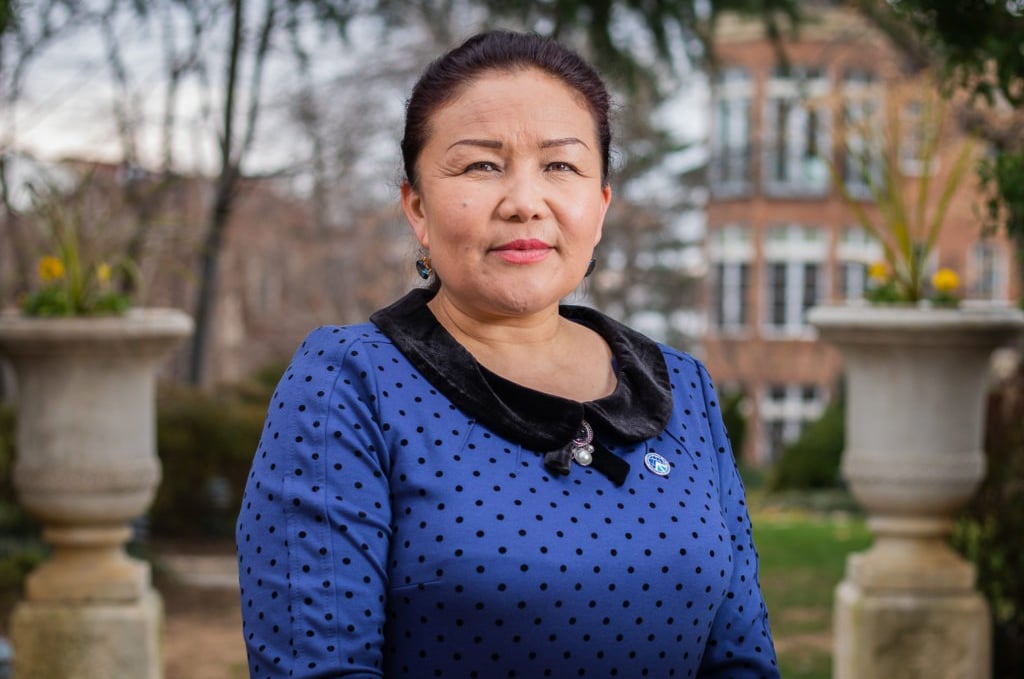
Sayragul Sauytbay, an ethnic Kazakh and former camp worker in Xinjiang.
In a recent interview, Sayragul Sauytbay, an ethnic Kazakh and former camp worker in Xinjiang, describes worsening abuses, transnational repression, and the urgent need for global accountability. She is the only person known to have worked inside an internment camp and spoken publicly about it, later obtaining asylum in Sweden. Her testimony has become central to discussions on internment camp systems (лагерьлік интернация жүйелері) [lagerlik internaciya jüieleri] and broader human rights advocacy efforts (адам құқықтарын қорғау әрекеттері) [adam quqyqtaryn qorğau äreketteri].
Since the publication of her book “The Chief Witness,” Sauytbay says her understanding of her role has evolved. “My understanding of my role has shifted from a survivor to a global messenger and leader for a nation under erasure.” She explains that the book has created platforms to defend human rights and raise awareness of abuses, serving as extended testimony beyond limited speaking time. According to her, it contributes to global awareness campaigns (жаһандық хабардарлық науқандары) [jahandyq habardarlyq nauqandary] and helps build advocacy networks (қорғау желілері) [qorğau jelileri] among international audiences.
Sauytbay describes the situation of Uyghurs and other Turkic peoples as evolving into a “total surveillance state,” where control has shifted from mass incarceration to long-term monitoring and assimilation policies. She expresses particular concern about what she calls the mass removal of children into boarding schools, describing them as centers designed to sever cultural identity. These developments reflect intensifying state surveillance mechanisms (мемлекеттік бақылау тетіктері) [memlekettik baqylau teti kteri] and policies of cultural assimilation programs (мәдени ассимиляция бағдарламалары) [mädeni assimilyaciya bağdarlamalary].
She also highlights concerns about the recently codified Ethnic Unity Law, which she says enforces assimilation into a unified identity. Additionally, she refers to reports from researchers alleging large-scale abuses, including killings linked to organ trade. These claims, she argues, illustrate the expansion of systemic human rights violations (жүйелі адам құқықтары бұзушылықтары) [jüieli adam quqyqtary buzushylyqtary] and raise alarms about institutionalized repression policies (институционалданған қысым саясаты) [institucionaldanğan qysym sayasaty].
Addressing the international response, Sauytbay states: “Acknowledgment without accountability is merely a performance.” She argues that governments have not taken sufficient action, calling for stronger measures such as economic and political isolation and legal accountability through international institutions. Her position underscores debates around international legal accountability (халықаралық құқықтық жауапкершілік) [halyqaralyq quqyqtyq jauapkerşilik] and the effectiveness of global sanction mechanisms (жаһандық санкция тетіктері) [jahandyq sankciya teti kteri].
She compares the response to other global conflicts, questioning differences in the application of sanctions and legal actions. Sauytbay calls for bans on products linked to forced labor and for recognition of the situation as a broader geopolitical issue rather than solely a domestic matter. These arguments relate to concerns about forced labor supply chains (мәжбүрлі еңбек жеткізу тізбектері) [mäjbürli eñbek jetkizu tizbekteri] and the need for economic accountability measures (экономикалық жауапкершілік шаралары) [ekonomikalyq jauapkerşilik şaralary].
Reflecting on her meetings with political leaders and activists, she notes both support and gaps between rhetoric and action. She emphasizes that her mission is rooted in what she describes as an anti-colonial movement seeking sovereignty and rights for affected populations. This perspective connects to broader discussions on national self-determination movements (ұлттық өзін-өзі анықтау қозғалыстары) [ulttyq özin özi anyqtau qozğalystary] and post-colonial political frameworks (постколониялық саяси құрылымдар) [postkoloniyalyq sayasi qurylımdar].
Sauytbay also discusses her life in Sweden, where she says democratic freedoms have allowed her to speak openly and engage with international audiences. She highlights the importance of freedom of speech in continuing her work, pointing to the role of democratic protection systems (демократиялық қорғау жүйелері) [demokratiyalyq qorğau jüieleri] and freedom of expression rights (сөз бостандығы құқықтары) [söz bostandygy quqyqtary].
On transnational repression, she explains that she transforms pressure into motivation and relies on creative outlets and community support to cope. Her experience illustrates the challenges faced by dissidents abroad within transnational repression dynamics (трансұлттық қысым динамикасы) [transulttyq qysym dinamikasy] and the resilience required in psychological resistance strategies (психологиялық қарсылық стратегиялары) [psihologiyalyq qarsylyq strategiyalary].
Discussing the role of diaspora communities, Sauytbay emphasizes the importance of preserving language, culture and identity through education, cultural institutions and economic initiatives. She proposes structured efforts to ensure continuity, highlighting the significance of diaspora cultural preservation (диаспора мәдениетін сақтау) [diaspora mädenietin saqtau] and community-based education systems (қауымдастыққа негізделген білім жүйелері) [qauymdastyqqa negizdelgen bilim jüieleri].
She also addresses global consumers and corporations, arguing that supply chains linked to abuses must be reconsidered. “The international community must stop using the sanitized term ‘forced labor’ and call it what it truly is: state-sponsored slavery and the commodification of a people’s suffering.” She calls for boycotts and divestment, emphasizing the ethical implications of corporate responsibility standards (корпоративтік жауапкершілік стандарттары) [korporativtik jauapkerşilik standarttary] and ethical consumption practices (этикалық тұтыну тәжірибелері) [etikalyq tutynu täjiribeleri].
Looking ahead, Sauytbay defines justice as the restoration of sovereignty and independence for the region she refers to as East Turkistan. She outlines steps including international recognition, release of detainees and political transformation. “True justice is not merely the absence of genocide; it is the total restoration of our sovereignty.” Her vision reflects broader debates around sovereignty restoration processes (егемендікті қалпына келтіру процестері) [egemendikti qalpyna keltiru processteri] and decolonization pathways (деколонизация жолдары) [dekolonizaciya joldary].
Key Kazakh Vocabulary
лагерьлік интернация жүйелері [lagerlik internaciya jüieleri] internment camp systems
адам құқықтарын қорғау әрекеттері [adam quqyqtaryn qorğau äreketteri] human rights advocacy efforts
жаһандық хабардарлық науқандары [jahandyq habardarlyq nauqandary] global awareness campaigns
қорғау желілері [qorğau jelileri] advocacy networks
мемлекеттік бақылау тетіктері [memlekettik baqylau teti kteri] state surveillance mechanisms
мәдени ассимиляция бағдарламалары [mädeni assimilyaciya bağdarlamalary] cultural assimilation programs
жүйелі адам құқықтары бұзушылықтары [jüieli adam quqyqtary buzushylyqtary] systemic human rights violations
институционалданған қысым саясаты [institucionaldanğan qysym sayasaty] institutionalized repression policies
халықаралық құқықтық жауапкершілік [halyqaralyq quqyqtyq jauapkerşilik] international legal accountability
жаһандық санкция тетіктері [jahandyq sankciya teti kteri] global sanction mechanisms
мәжбүрлі еңбек жеткізу тізбектері [mäjbürli eñbek jetkizu tizbekteri] forced labor supply chains
экономикалық жауапкершілік шаралары [ekonomikalyq jauapkerşilik şaralary] economic accountability measures
ұлттық өзін-өзі анықтау қозғалыстары [ulttyq özin özi anyqtau qozğalystary] national self-determination movements
постколониялық саяси құрылымдар [postkoloniyalyq sayasi qurylımdar] post-colonial political frameworks
демократиялық қорғау жүйелері [demokratiyalyq qorğau jüieleri] democratic protection systems
сөз бостандығы құқықтары [söz bostandygy quqyqtary] freedom of expression rights
трансұлттық қысым динамикасы [transulttyq qysym dinamikasy] transnational repression dynamics
психологиялық қарсылық стратегиялары [psihologiyalyq qarsylyq strategiyalary] psychological resistance strategies
диаспора мәдениетін сақтау [diaspora mädenietin saqtau] diaspora cultural preservation
қауымдастыққа негізделген білім жүйелері [qauymdastyqqa negizdelgen bilim jüieleri] community-based education systems
корпоративтік жауапкершілік стандарттары [korporativtik jauapkerşilik standarttary] corporate responsibility standards
этикалық тұтыну тәжірибелері [etikalyq tutynu täjiribeleri] ethical consumption practices
егемендікті қалпына келтіру процестері [egemendikti qalpyna keltiru processteri] sovereignty restoration processes
деколонизация жолдары [dekolonizaciya joldary] decolonization pathways
For requests or suggestions: pr@kazakhinstitute.com


Learn the official language of Kazakhstan in 30 days thanks to the most complete grammar, vocabulary and culture courses available online.
Start speaking Kazakh today!
© Copyright 2026 Kazakh Institute
Come visit Kazakhstan!