No Penalties Recorded Under Kazakhstan’s LGBT Propaganda Law
Authorities describe the legislation as preventive while maintaining legal monitoring mechanisms
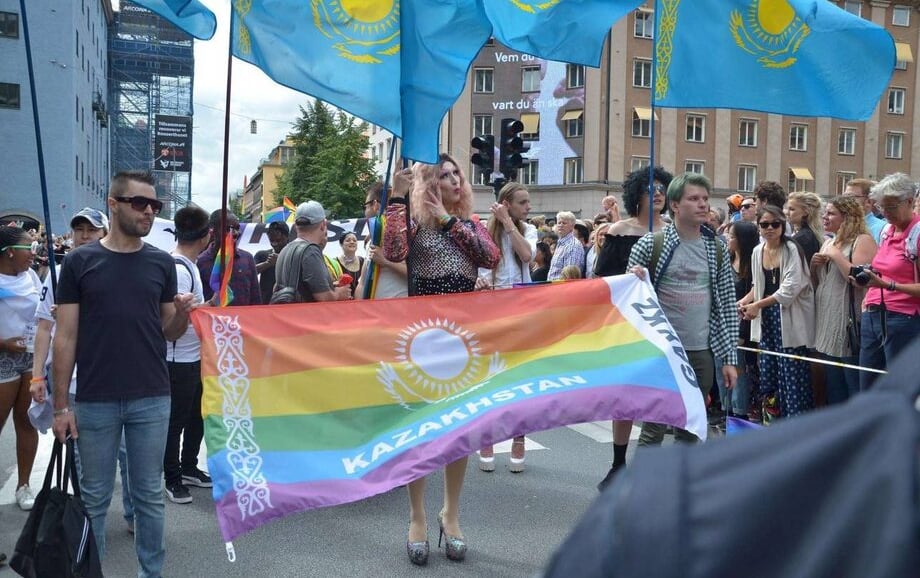
Following Georgia in 2024 and Kyrgyzstan in 2023, Kazakhstan also introduced laws set to criminalize gay propaganda.
Kazakhstan’s Ministry of Culture and Information has confirmed that no individuals have been held accountable under the law banning LGBT propaganda (ЛГБТ насихаты) [LGBT nasïhaty], according to a statement by Deputy Minister Yevgeny Kochetov. The announcement highlights the current absence of legal enforcement cases (құқықтық жауапкершілік істері) [quqyqtyq jauapkerşılık ısterı] linked to the regulation since its introduction.
Speaking to journalists, Kochetov explained that the relevant norm remains under ongoing legal monitoring (құқықтық мониторинг) [quqyqtyq monïtorïng], but authorities have not identified any instances requiring sanctions. He stated: “You can say that if we even look at the information field, including on this subject, by and large, nothing has changed. We see that in this case this norm... well, let’s say, acted ‘preventively’ so that people think before publishing this or that content. But as for liability, from our side, within the framework of legal monitoring, there were no such cases.”
Officials indicated that the measure appears to function primarily as a preventive mechanism (алдын алу механизмі) [aldyn alu mehanïzmı], influencing how content is published rather than resulting in direct penalties. According to the ministry, the broader information environment (ақпараттық кеңістік) [aqparattyq keñıstık] has not undergone significant changes since the adoption of the law.
Kochetov also clarified that certain forms of content restriction (контентті шектеу) [kontenttı shekteu] were already in place prior to the law’s introduction. Materials had been blocked online under existing regulations, meaning that no additional or distinct enforcement actions have been specifically tied to the new legal norm.
Importantly, the ministry emphasized that human rights reporting (адам құқықтары туралы ақпарат) [adam quqyqtary turaly aqparat], including media coverage of violations affecting LGBT individuals, does not fall under the definition of prohibited propaganda. This distinction is intended to separate journalistic activity (журналистік қызмет) [jurnalïstık qyzmet] from content considered subject to restriction.
The absence of enforcement cases suggests that the legislation’s impact remains largely indirect, operating within a framework of observation and interpretation rather than punitive action. Authorities continue to assess how the norm functions within Kazakhstan’s broader regulatory framework (реттеуші жүйе) [retteushı jüie], while maintaining oversight of developments in the media and digital space.
For requests or suggestions: pr@kazakhinstitute.com
Learn the official language of Kazakhstan in 30 days thanks to the most complete grammar, vocabulary and culture courses available online.
Start speaking Kazakh today!
© Copyright 2026 Kazakh Institute
Come visit Kazakhstan!