Mass Die-Off of Saigas Recorded in West Kazakhstan Region
Seasonal mortality, ecological concerns, and population monitoring come into focus
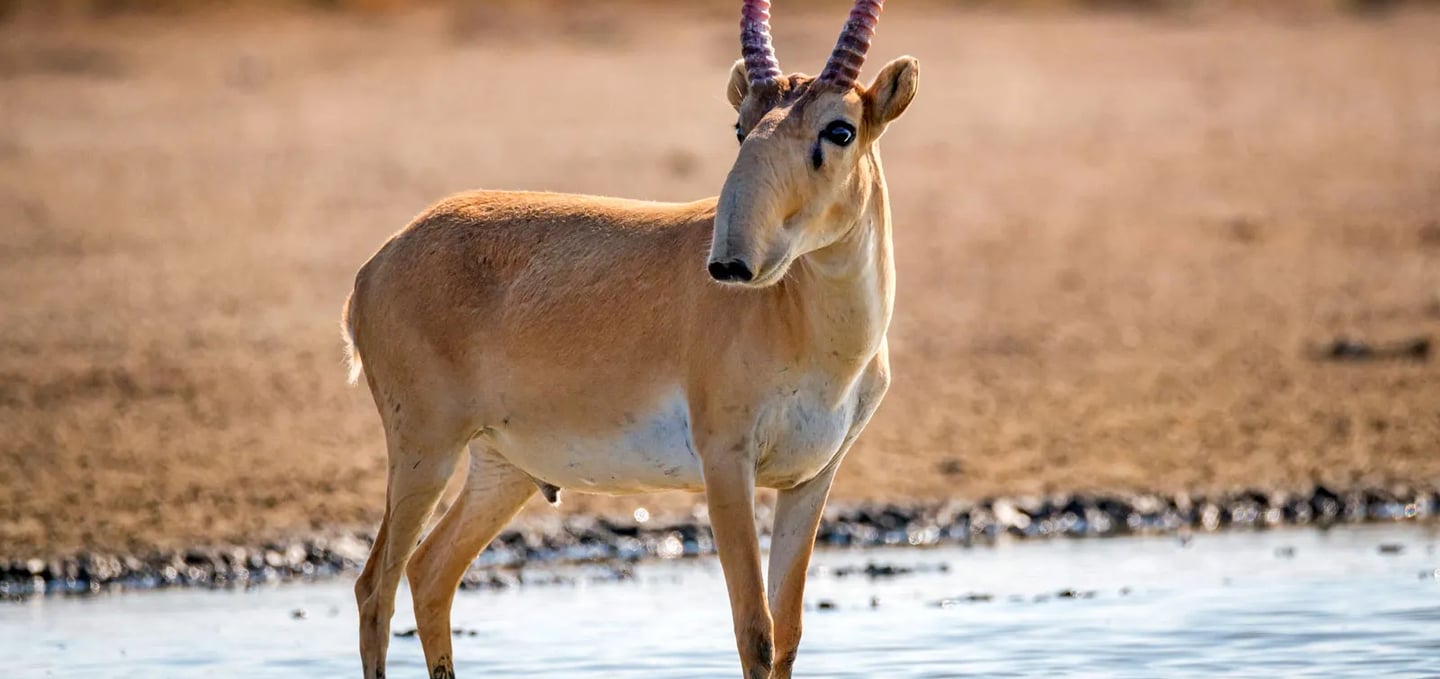
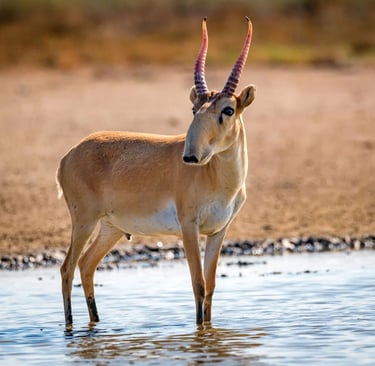
Saiga antelopes have been at the center of conservation efforts by the government in recent years.
In the Kaztalov district of the West Kazakhstan region, a mass die-off of saigas has been recorded, with dead carcasses discovered along the Saryozan River. Authorities and specialists are currently assessing the situation, which has drawn attention to wildlife mortality events (жабайы табиғаттағы өлім-жітім оқиғалары) [jabaiy tabiğattağy ölüm-jitim oqiğalary] and the broader implications for ecosystem stability (экожүйе тұрақтылығы) [ekojüie turaqtylığı] in the region.
According to specialists, the deaths are considered part of a natural process affecting animals weakened after migration during the winter period. Seasonal stress, food scarcity and environmental conditions often contribute to such outcomes, highlighting patterns of post-migration vulnerability (көші-қоннан кейінгі әлсіздік) [köşi-qonnan keyingi älsizdik] and seasonal wildlife cycles (маусымдық жануарлар циклдері) [mausymdyq jandarlar ciklderi]. Currently, efforts are underway to collect and dispose of the carcasses, the total number of which exceeds 1,600 individuals.
This phenomenon is observed every spring, and in some years the number of dead saigas has exceeded five thousand, indicating recurring patterns within the species’ life cycle. However, despite its seasonal nature, authorities are continuing to investigate the situation to rule out additional risks, focusing on environmental risk assessment (қоршаған орта тәуекелдерін бағалау) [qorşağan orta täuekelderin bağalau] and potential disease outbreak monitoring (аурулардың таралуын бақылау) [aurulardyñ taraluyn baqylau].
To better understand the causes of the die-off and any potential threats to the ecosystem, biological samples have been sent to a veterinary laboratory for analysis. This step is part of a broader effort to ensure accurate diagnosis and prevent the spread of disease, emphasizing the importance of veterinary laboratory analysis (ветеринариялық зертханалық талдау) [veterinariyalyq zertxanalyq taldau] and epidemiological surveillance systems (эпидемиологиялық бақылау жүйелері) [epidemiologiyalyq baqylau jüieleri].
According to experts, the population of the Ural saiga at the end of last year was approximately 2.3 million individuals, reflecting a strong recovery compared to previous decades when the species faced significant decline. A complete census is planned for the coming week, which will provide updated data on wildlife population monitoring (жануарлар популяциясын бақылау) [jandarlar populyaciyasyn baqylau] and long-term conservation management strategies (табиғатты қорғау стратегиялары) [tabiğattı qorğau strategiyalary].
Saigas, once critically endangered due to poaching and habitat loss, have been the focus of major conservation efforts in Kazakhstan and neighboring regions. International organizations and national authorities have worked to restore populations through anti-poaching measures, habitat protection and regulated management, contributing to broader biodiversity conservation programs (биоалуантүрлілікті сақтау бағдарламалары) [bioaluan türliliktі saqtau bağdarlamalary] and species recovery initiatives (түрлерді қалпына келтіру бастамалары) [türlerdi qalpyna keltiru bastamalary].
Additionally, in 2025, measures were taken to control the saiga population, resulting in the removal of more than 108,000 animals from their natural habitat. Such actions are typically implemented to maintain ecological balance and prevent overpopulation, though they can also raise debates around wildlife population control policies (жануарлар санын реттеу саясаты) [jandarlar sanyn retteu sayasaty] and ecosystem carrying capacity (экожүйенің көтеру қабілеті) [ekojüieniñ köteru qabiletі].
Experts note that while seasonal die-offs are not unusual, continuous monitoring remains essential to detect anomalies or emerging threats. Climate variability, disease and human activity can all influence mortality rates, making it necessary to maintain strong environmental monitoring systems (қоршаған ортаны бақылау жүйелері) [qorşağan ortany baqylau jüieleri] and adaptive wildlife management practices (жануарларды басқару тәжірибелері) [jandarlar dy basqaru täjiribeleri].
Key Kazakh Vocabulary
жабайы табиғаттағы өлім-жітім оқиғалары [jabaiy tabiğattağy ölüm-jitim oqiğalary] wildlife mortality events
экожүйе тұрақтылығы [ekojüie turaqtylığı] ecosystem stability
көші-қоннан кейінгі әлсіздік [köşi-qonnan keyingi älsizdik] post-migration vulnerability
маусымдық жануарлар циклдері [mausymdyq jandarlar ciklderi] seasonal wildlife cycles
қоршаған орта тәуекелдерін бағалау [qorşağan orta täuekelderin bağalau] environmental risk assessment
аурулардың таралуын бақылау [aurulardyñ taraluyn baqylau] disease outbreak monitoring
ветеринариялық зертханалық талдау [veterinariyalyq zertxanalyq taldau] veterinary laboratory analysis
эпидемиологиялық бақылау жүйелері [epidemiologiyalyq baqylau jüieleri] epidemiological surveillance systems
жануарлар популяциясын бақылау [jandarlar populyaciyasyn baqylau] wildlife population monitoring
табиғатты қорғау стратегиялары [tabiğattı qorğau strategiyalary] conservation management strategies
биоалуантүрлілікті сақтау бағдарламалары [bioaluan türliliktі saqtau bağdarlamalary] biodiversity conservation programs
түрлерді қалпына келтіру бастамалары [türlerdi qalpyna keltiru bastamalary] species recovery initiatives
жануарлар санын реттеу саясаты [jandarlar sanyn retteu sayasaty] wildlife population control policies
экожүйенің көтеру қабілеті [ekojüieniñ köteru qabiletі] ecosystem carrying capacity
қоршаған ортаны бақылау жүйелері [qorşağan ortany baqylau jüieleri] environmental monitoring systems
жануарларды басқару тәжірибелері [jandarlar dy basqaru täjiribeleri] wildlife management practices
For requests or suggestions: pr@kazakhinstitute.com


Learn the official language of Kazakhstan in 30 days thanks to the most complete grammar, vocabulary and culture courses available online.
Start speaking Kazakh today!
© Copyright 2026 Kazakh Institute
Come visit Kazakhstan!