Kazakhstan to Hold Kurultai Elections in August, Marking Political Transformation
President Tokayev outlines timeline and emphasizes reforms shaping the country’s political future
China to let thousands of ethnic Kazakhs leave Xinjiang.
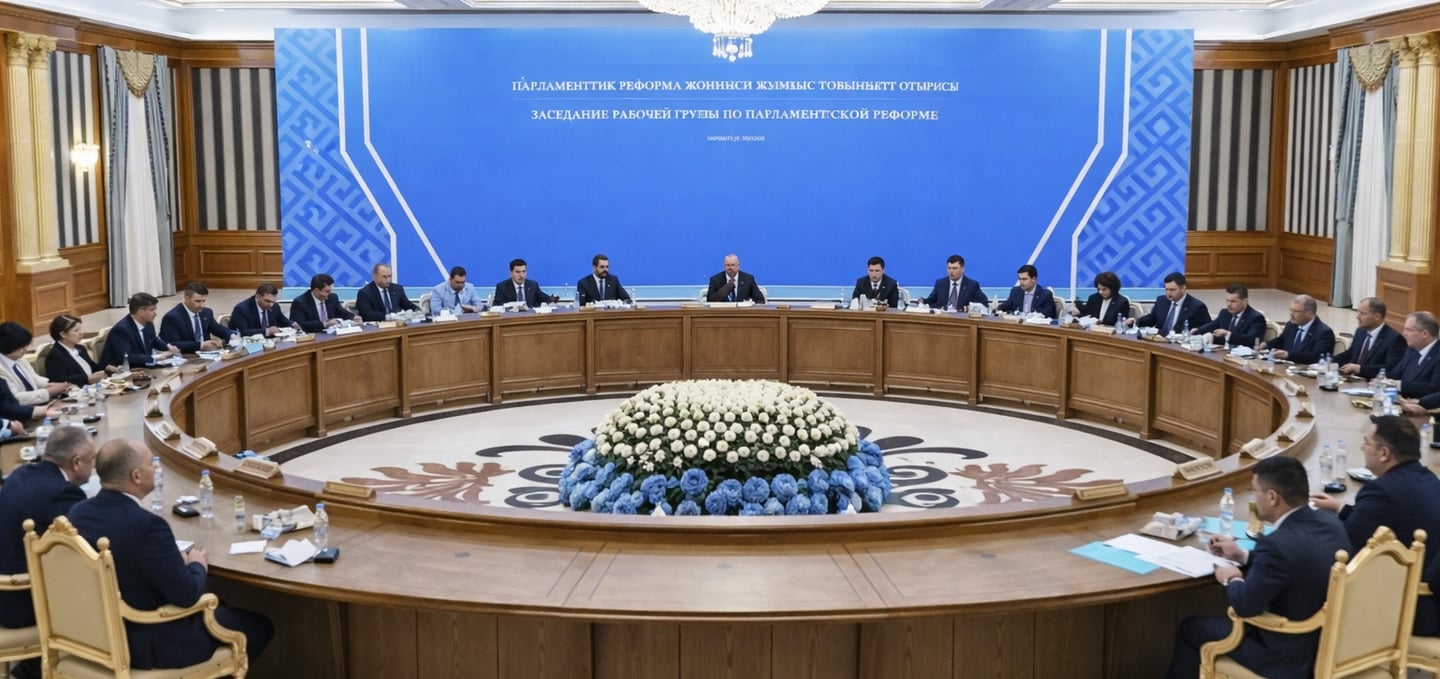
Kazakhstan will hold elections for the unicameral Kurultai in August 2026, President Kassym-Jomart Tokayev announced during an awards ceremony for scientists. The announcement signals an important step in the country’s evolving governance structure and reflects broader efforts toward political system transformation (саяси жүйені трансформациялау) [sayasi jüieni transformaciyalau] and institutional governance reform processes (басқару реформаларының процестері) [basqaru reformalarynyñ processteri].
Tokayev emphasized the importance of transparency and advance notice in organizing major national events. “As Head of State, I consider it extremely important to provide advance notice of events of great significance for our country. Therefore, immediately after the Constitution comes into force, I will sign a decree on holding elections to the unicameral Kurultai. The elections will take place in August of this year,” President Tokayev said. His remarks underline the role of transparent electoral processes (ашық сайлау процестері) [ashyq sailau processteri] and the importance of institutional predictability (институционалдық болжамдылық) [institucionaldyq boljamdylyq] in political planning.
The president noted that the five-month lead time before the elections is intended to give political parties sufficient time to organize campaigns and engage with voters. This period is designed to ensure effective preparation and enhance democratic participation through electoral campaign planning (сайлау науқанын жоспарлау) [sailau nauqanyn josparlau] and broader voter outreach strategies (сайлаушылармен жұмыс стратегиялары) [sailaushylarmen jumys strategiyalary].
According to Tokayev, the Kurultai elections are not merely procedural but represent the beginning of a large-scale transformation of Kazakhstan’s entire political system. He stressed that these changes must be accompanied by shifts in public mindset to ensure long-term success. This perspective highlights the importance of systemic political reforms (жүйелі саяси реформалар) [jüieli sayasi reformalar] and the need for societal mindset change (қоғамдық сана өзгерісі) [qoğamdyq sana özg er isi].
The Kurultai, historically a traditional assembly in Turkic societies, is being adapted into a modern institutional framework in Kazakhstan, combining cultural heritage with contemporary governance. Its reintroduction reflects efforts to integrate traditional governance structures (дәстүрлі басқару құрылымдары) [dästürli basqaru qurylımdary] into modern political systems and strengthen national political identity (ұлттық саяси бірегейлік) [ulttyq sayasi biregeylik].
Experts suggest that the introduction of a unicameral Kurultai could influence legislative processes, political representation and the balance of power within the country. Such developments are often associated with constitutional reform initiatives (конституциялық реформалар бастамалары) [konstituciyalyq reformalar bastamalary] and broader institutional restructuring efforts (институционалдық қайта құру әрекеттері) [institucionaldyq qayta qurū äreketteri].
The emphasis on early preparation and structured timelines also reflects Kazakhstan’s intention to maintain stability during the reform process. Ensuring that political actors have adequate time to prepare may contribute to smoother implementation of changes and reduce uncertainty, supporting political stability frameworks (саяси тұрақтылық құрылымдары) [sayasi turaqtylyq qurylımdary] and orderly transition processes (реттелген өтпелі процестер) [rettelgen ötpeli processter].
Tokayev’s remarks indicate that the upcoming elections are part of a broader long-term strategy to modernize governance, improve institutional effectiveness and adapt the political system to evolving domestic and global conditions. The success of these reforms will likely depend on both institutional design and public engagement, reinforcing the relevance of democratic participation mechanisms (демократиялық қатысу тетіктері) [demokratiyalyq qatysu teti kteri] and political modernization strategies (саяси жаңғырту стратегиялары) [sayasi jañğyrtu strategiyalary].
Key Kazakh Vocabulary
саяси жүйені трансформациялау [sayasi jüieni transformaciyalau] political system transformation
басқару реформаларының процестері [basqaru reformalarynyñ processteri] governance reform processes
ашық сайлау процестері [ashyq sailau processteri] transparent electoral processes
институционалдық болжамдылық [institucionaldyq boljamdylyq] institutional predictability
сайлау науқанын жоспарлау [sailau nauqanyn josparlau] electoral campaign planning
сайлаушылармен жұмыс стратегиялары [sailaushylarmen jumys strategiyalary] voter outreach strategies
жүйелі саяси реформалар [jüieli sayasi reformalar] systemic political reforms
қоғамдық сана өзгерісі [qoğamdyq sana özg er isi] societal mindset change
дәстүрлі басқару құрылымдары [dästürli basqaru qurylımdary] traditional governance structures
ұлттық саяси бірегейлік [ulttyq sayasi biregeylik] national political identity
конституциялық реформалар бастамалары [konstituciyalyq reformalar bastamalary] constitutional reform initiatives
институционалдық қайта құру әрекеттері [institucionaldyq qayta qurū äreketteri] institutional restructuring efforts
саяси тұрақтылық құрылымдары [sayasi turaqtylyq qurylımdary] political stability frameworks
реттелген өтпелі процестер [rettelgen ötpeli processter] orderly transition processes
демократиялық қатысу тетіктері [demokratiyalyq qatysu teti kteri] democratic participation mechanisms
саяси жаңғырту стратегиялары [sayasi jañğyrtu strategiyalary] political modernization strategies
For requests or suggestions: pr@kazakhinstitute.com
Learn the official language of Kazakhstan in 30 days thanks to the most complete grammar, vocabulary and culture courses available online.
Start speaking Kazakh today!
© Copyright 2026 Kazakh Institute
Come visit Kazakhstan!