From Minerals to Manufacturing: Kazakhstan’s Expanding Role in the Rare Earth Market
Growing global demand and strategic investments are shaping the country’s transition from resource extraction to industrial processing
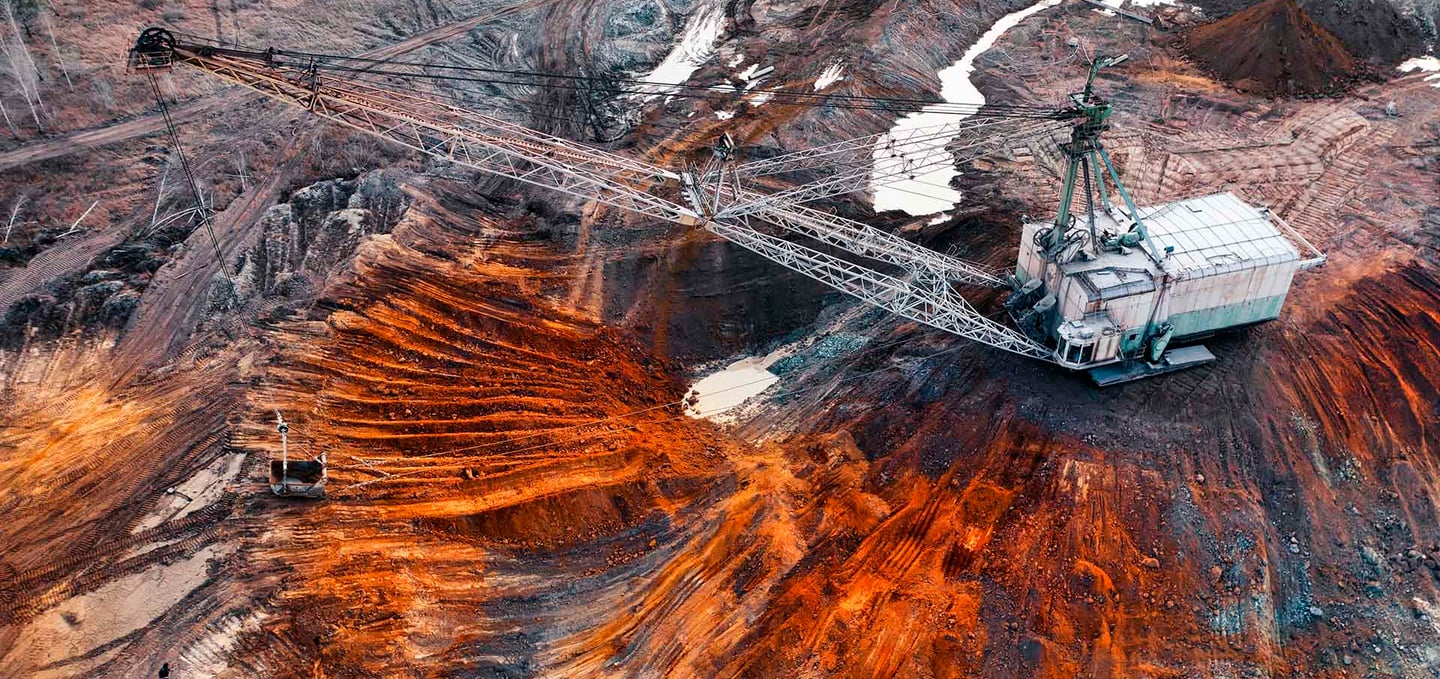
Kazakhstan has a huge potential when it comes to mining rare earth metals.
Global rare earth production has nearly quadrupled to 379,900 tons over the past two decades, driven by rising demand for digital technologies and clean energy. In Kazakhstan, the sector remains a small but emerging part of industrial output, reflecting its early stage of development within a rapidly expanding global rare earth market (жаһандық сирек жер металдары нарығы) [jahandyq sirek jer metaldary narygy] and increasing importance in industrial diversification efforts (өнеркәсіпті әртараптандыру әрекеттері) [önerkäsipti ärtaraptandyru äreketteri].
Rare earth elements, a group of 17 metals essential for technologies ranging from microchips to wind turbines, are increasingly central to the global economy. Their unique physical and chemical properties make them critical for high-performance magnets, batteries and electronic devices, reinforcing their role in advanced technology production (жетілдірілген технология өндірісі) [jetildirigen tehnologiya öndürisi] and clean energy systems (таза энергия жүйелері) [taza energiya jüieleri].
At the same time, global supply remains highly concentrated, with more than 70% of mining and approximately 90% of processing located in China. This concentration shapes supply chains and increases the strategic importance of diversification. In this context, rare earths are increasingly viewed as instruments of geo-economic influence, as control over their production and processing can affect access to critical technologies and industrial development, particularly in global supply chain security (жаһандық жеткізу тізбегінің қауіпсіздігі) [jahandyq jetkizu tizbeginin qauipsizdigi] and resource-based geopolitics (ресурстарға негізделген геосаясат) [resurstarga negizdelgen geosayasat].
“Global demand for rare earth elements is very high and continues to grow steadily. The main drivers are electric vehicles, renewable energy, electronics, computers and smartphones. The transition to a digital economy is directly linked to the development of the rare earth market,” said Serik Konakbayev, an engineering geologist and head of operational geology at Solidcore Resources. His statement highlights the connection between digital economy expansion (сандық экономика кеңеюі) [sandyq ekonomika keñeyui] and technology-driven demand growth (технологияға негізделген сұраныс өсуі) [tehnologiyaga negizdelgen suranys ösui].
According to Konakbayev, this dominance is driven by a combination of factors, including relatively low labor costs, a developed industrial base and the availability of technologies, which provide a significant advantage in developing the sector. In this context, the global market is increasingly seeking to diversify supply, creating opportunities for new producers, including Kazakhstan, particularly in emerging producer markets (жаңа өндіруші нарықтар) [jaña öndürushi naryqtar] and supply chain diversification strategies (жеткізу тізбегін әртараптандыру стратегиялары) [jetkizu tizbegin ärtaraptandyru strategiyalary].
Kazakhstan has one of the world’s largest mineral resource bases. According to the Ministry of Industry and Construction, more than 9,000 deposits are registered on the state balance sheet, including over 100 containing rare and rare earth elements. The country produces and processes several key metals, including tungsten, molybdenum, titanium, zirconium and rhenium, demonstrating a strong foundation in mineral resource development (минералдық ресурстарды дамыту) [mineraldyq resurstar dy damytu] and metal extraction industries (металл өндіру салалары) [metall öndürü salalary].
Associated elements such as selenium, tellurium, germanium, gallium, indium and scandium are also recovered, often as by-products of uranium, non-ferrous and precious metal mining. These processes require complex technologies to ensure efficiency, emphasizing the need for advanced extraction technologies (озық өндіру технологиялары) [ozyq öndürü tehnologiyalary] and multi-stage processing systems (көпсатылы өңдеу жүйелері) [köpsatyly öñdeu jüieleri].
At present, the rare metals sector accounts for approximately 0.3% of industrial output, indicating significant growth potential. This relatively low base coincides with rising global demand, creating conditions for expansion in industrial value chains (өнеркәсіптік құн тізбектері) [önerkäsiptik qun tizbekteri] and resource-based industries (ресурсқа негізделген салалар) [resursqa negizdelgen salalar].
Industrial capacity is concentrated in established metallurgical regions. Key facilities supply materials for aerospace, nuclear energy and electronics, supporting the development of high-tech manufacturing sectors (жоғары технологиялық өндіріс секторлары) [joğary tehnologiyalyq öndüris sektorlary] and strategic industrial clusters (стратегиялық өнеркәсіптік кластерлер) [strategiyalyq önerkäsiptik klasterler].
Despite the presence of processing facilities, the level of deep processing remains limited. According to Konakbayev, Kazakhstan is still largely oriented toward raw material extraction and exports due to a lack of technology and a relatively weak technical base. He emphasized the need to develop domestic capabilities, including processing infrastructure development (өңдеу инфрақұрылымын дамыту) [öñdeu infraqurylymyn damytu] and full-cycle production systems (толық өндірістік цикл жүйелері) [tolyq öndüristik cikl jüieleri].
“In fact, we have significant reserves, many of which were explored during the Soviet period. But it is necessary to actively develop processing infrastructure, attract investment and introduce modern technologies to ensure maximum extraction and full-cycle production,” said Konakbayev. His remarks underline the importance of investment attraction strategies (инвестиция тарту стратегиялары) [investiciya tartu strategiyalary] and technological modernization efforts (технологиялық жаңғырту әрекеттері) [tehnologiyalyq jañğyrtu äreketteri].
Some deposits, particularly molybdenum and tungsten sites that were active before the 2000s, are no longer widely developed due to shifting demand patterns. Similar conditions apply to lithium, tantalum and beryllium, where reserves exist but domestic demand remains limited, affecting resource utilization efficiency (ресурстарды пайдалану тиімділігі) [resurstar dy paydalanu tiimdiligi] and market demand alignment (нарық сұранысына сәйкестік) [naryq suranysyna säykestik].
State policy is increasingly focused on expanding industrial capacity and developing deeper processing. A government-approved plan for 2024–2028 includes launching new facilities, modernizing enterprises and introducing advanced technologies, reinforcing industrial policy frameworks (өнеркәсіптік саясат құрылымдары) [önerkäsiptik sayasat qurylımdary] and economic modernization programs (экономиканы жаңғырту бағдарламалары) [ekonomikany jañğyrtu bağdarlamalary].
Several projects have already been launched, including tungsten production and manganese sulfate output. Future initiatives include gallium production, lithium-ion battery recycling and the development of battery materials, all contributing to energy storage technologies (энергия сақтау технологиялары) [energiya saqtau tehnologiyalary] and battery supply chains (аккумулятор жеткізу тізбектері) [akkumulyator jetkizu tizbekteri].
Central Kazakhstan, particularly the Karagandy Region, is emerging as a key exploration area. “The forecast reserves of the Kuirektykol site amount to approximately 935,400 tons of rare earth metals. At present, Tau-Ken Samruk has obtained a license for solid mineral exploration, and detailed geological and laboratory studies are being carried out to confirm the reserves,” said Vice Minister Iran Sharkhan, highlighting ongoing geological exploration activities (геологиялық барлау жұмыстары) [geologiyalyq barlau jumystary] and resource estimation processes (ресурстарды бағалау процестері) [resurstar dy bağalau processteri].
The government is also expanding investment mechanisms, including special economic zones and financial platforms, to support sector growth and attract international partners. These initiatives aim to strengthen investment climate development (инвестициялық ахуалды дамыту) [investiciyalyq ahualdy damytu] and public-private partnerships (мемлекеттік-жеке серіктестік) [memlekettik jeke seriktestik].
“To form a new investment cycle, the investment policy concept until 2029 is being implemented. The conclusion of investment contracts will allow companies in priority sectors to receive tax and customs incentives, as well as in-kind grants,” said Sharkhan. These measures are designed to support long-term investment strategies (ұзақ мерзімді инвестициялық стратегиялар) [uzaq merzimdi investiciyalyq strategiyalar] and industrial growth incentives (өнеркәсіптік өсу ынталандырулары) [önerkäsiptik ösu yntalandyrulary].
At an expanded government meeting in February, President Kassym-Jomart Tokayev emphasized increasing global interest in Kazakhstan’s resources. “Investors from Western and other developed countries are showing strong interest in implementing such projects in Kazakhstan. This is our global competitive advantage, which we must use effectively for the benefit of the country,” he said, pointing to opportunities in international investment cooperation (халықаралық инвестициялық ынтымақтастық) [halyqaralyq investiciyalyq yntymaktastyq] and resource competitiveness (ресурстық бәсекеге қабілеттілік) [resurstyq bäsekege qabilettilik].
International partners from the United States, Germany, Australia and China are already involved in projects ranging from graphite to lithium. These collaborations support Kazakhstan’s integration into global supply networks and expand its role in global industrial ecosystems (жаһандық өнеркәсіптік экожүйелер) [jahandyq önerkäsiptik ekojüieler].
Kazakhstan’s current export orientation is largely tied to China and Russia, but the country aims to expand into European and Asian markets. As demand for critical materials continues to rise, Kazakhstan is gradually building the capacity needed to strengthen its position in the global rare earth sector through export diversification strategies (экспортты әртараптандыру стратегиялары) [eksportty ärtaraptandyru strategiyalary] and market integration efforts (нарыққа интеграция әрекеттері) [naryqqa integraciya äreketteri].
Key Kazakh Vocabulary
жаһандық сирек жер металдары нарығы [jahandyq sirek jer metaldary narygy] global rare earth market
өнеркәсіпті әртараптандыру әрекеттері [önerkäsipti ärtaraptandyru äreketteri] industrial diversification efforts
жетілдірілген технология өндірісі [jetildirigen tehnologiya öndürisi] advanced technology production
таза энергия жүйелері [taza energiya jüieleri] clean energy systems
жаһандық жеткізу тізбегінің қауіпсіздігі [jahandyq jetkizu tizbeginin qauipsizdigi] global supply chain security
ресурстарға негізделген геосаясат [resurstarga negizdelgen geosayasat] resource-based geopolitics
сандық экономика кеңеюі [sandyq ekonomika keñeyui] digital economy expansion
технологияға негізделген сұраныс өсуі [tehnologiyaga negizdelgen suranys ösui] technology-driven demand growth
жаңа өндіруші нарықтар [jaña öndürushi naryqtar] emerging producer markets
жеткізу тізбегін әртараптандыру стратегиялары [jetkizu tizbegin ärtaraptandyru strategiyalary] supply chain diversification strategies
минералдық ресурстарды дамыту [mineraldyq resurstar dy damytu] mineral resource development
металл өндіру салалары [metall öndürü salalary] metal extraction industries
озық өндіру технологиялары [ozyq öndürü tehnologiyalary] advanced extraction technologies
көпсатылы өңдеу жүйелері [köpsatyly öñdeu jüieleri] multi-stage processing systems
өнеркәсіптік құн тізбектері [önerkäsiptik qun tizbekteri] industrial value chains
ресурсқа негізделген салалар [resursqa negizdelgen salalar] resource-based industries
жоғары технологиялық өндіріс секторлары [joğary tehnologiyalyq öndüris sektorlary] high-tech manufacturing sectors
стратегиялық өнеркәсіптік кластерлер [strategiyalyq önerkäsiptik klasterler] strategic industrial clusters
өңдеу инфрақұрылымын дамыту [öñdeu infraqurylymyn damytu] processing infrastructure development
толық өндірістік цикл жүйелері [tolyq öndüristik cikl jüieleri] full-cycle production systems
инвестиция тарту стратегиялары [investiciya tartu strategiyalary] investment attraction strategies
технологиялық жаңғырту әрекеттері [tehnologiyalyq jañğyrtu äreketteri] technological modernization efforts
ресурстарды пайдалану тиімділігі [resurstar dy paydalanu tiimdiligi] resource utilization efficiency
нарық сұранысына сәйкестік [naryq suranysyna säykestik] market demand alignment
өнеркәсіптік саясат құрылымдары [önerkäsiptik sayasat qurylımdary] industrial policy frameworks
экономиканы жаңғырту бағдарламалары [ekonomikany jañğyrtu bağdarlamalary] economic modernization programs
энергия сақтау технологиялары [energiya saqtau tehnologiyalary] energy storage technologies
аккумулятор жеткізу тізбектері [akkumulyator jetkizu tizbekteri] battery supply chains
геологиялық барлау жұмыстары [geologiyalyq barlau jumystary] geological exploration activities
ресурстарды бағалау процестері [resurstar dy bağalau processteri] resource estimation processes
инвестициялық ахуалды дамыту [investiciyalyq ahualdy damytu] investment climate development
мемлекеттік-жеке серіктестік [memlekettik jeke seriktestik] public-private partnerships
ұзақ мерзімді инвестициялық стратегиялар [uzaq merzimdi investiciyalyq strategiyalar] long-term investment strategies
өнеркәсіптік өсу ынталандырулары [önerkäsiptik ösu yntalandyrulary] industrial growth incentives
халықаралық инвестициялық ынтымақтастық [halyqaralyq investiciyalyq yntymaktastyq] international investment cooperation
ресурстық бәсекеге қабілеттілік [resurstyq bäsekege qabilettilik] resource competitiveness
жаһандық өнеркәсіптік экожүйелер [jahandyq önerkäsiptik ekojüieler] global industrial ecosystems
экспортты әртараптандыру стратегиялары [eksportty ärtaraptandyru strategiyalary] export diversification strategies
нарыққа интеграция әрекеттері [naryqqa integraciya äreketteri] market integration efforts
For requests or suggestions: pr@kazakhinstitute.com
Learn the official language of Kazakhstan in 30 days thanks to the most complete grammar, vocabulary and culture courses available online.
Start speaking Kazakh today!
© Copyright 2026 Kazakh Institute
Come visit Kazakhstan!